Interior Design for the Columbus, Ohio Family
Whether designing a light-filled estate in New Albany or updating a home in Hilliard, interior design in Central Ohio is about balance. Local homeowners want a "whole-home" flow that blends high-end looks with practical living. From busy mudrooms in Dublin to elegant dining spaces in Powell and Westerville, the priority is finding a floor that handles snowy boots, humid summers, and household activity without losing its luster.
The Perfect Match: Finding Your Flooring
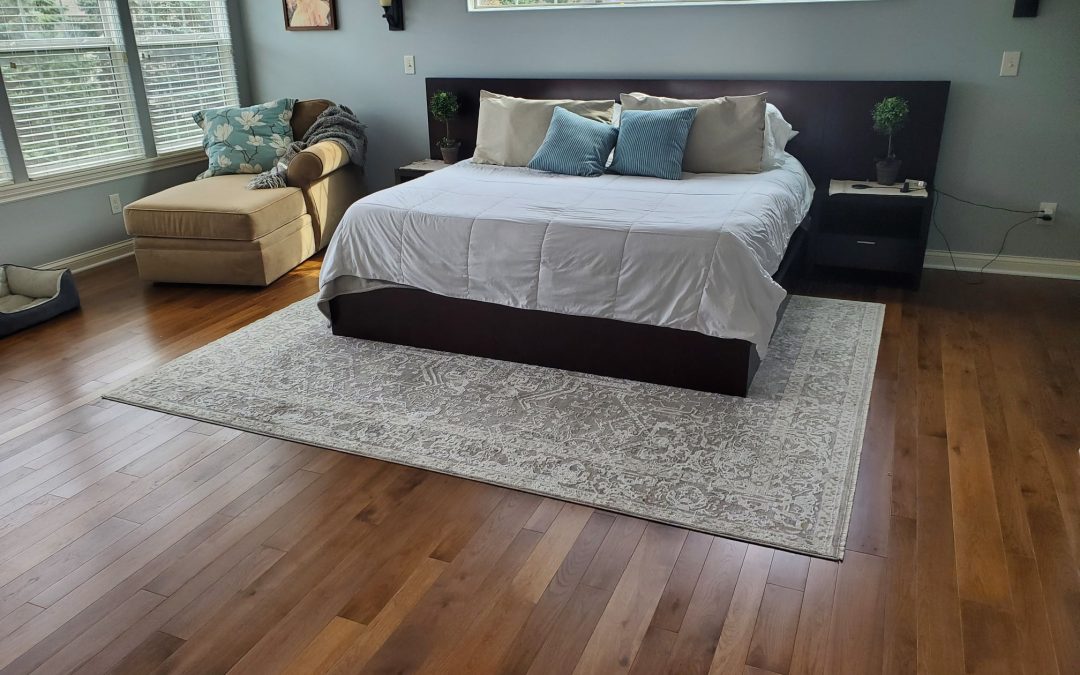
In the showroom, the conversation centers on two options: the soulful, organic feel of natural products versus the resilient benefits of modern engineering. Both give beautiful results, but the choice depends on your lifestyle. Many now see scratch resistance and waterproofing as essentials, while others seek the prestige and long-term value of classic flooring.
Hardwood vs. Luxury Vinyl Plank (LVP): The Top 5 Differences
Choosing the best flooring for our Ohio climate involves weighing five key factors: lifespan, moisture resistance, maintenance, tactile feel, and cost. While hardwood flooring in Columbus remains a gold standard for luxury, Luxury Vinyl Plank floors in our area have become a powerhouse for those needing maximum resilience in high-moisture areas or high-traffic zones.
Durability and Long-Term Value
Hardwood is an investment in your home’s DNA; it’s one of the few features that actually appreciates over time and remains a top-tier choice for high-end interiors. Conversely, Luxury Vinyl Plank (LVP) is built for the "here and now." It is incredibly difficult to dent or scratch, making it a functional champion for high-traffic zones where you don't want to worry about dropped kitchen utensils or heavy furniture.
Maintenance for Modern Lifestyles
Hardwood needs some care—protect it from water and use approved cleaners to maintain its finish. LVP is more "set it and forget it." Its non-porous surface allows for easy wet mopping and heavy cleaning. Busy households that want simple maintenance often choose LVP.
Facing the Ohio Elements
Our climate changes often, and natural wood expands and contracts with humidity. While engineered hardwoods limit this, LVP is dimensionally stable and fully waterproof. LVP is best for moisture-prone spaces like mudrooms or basements in humid summers.
Aesthetic and Texture Considerations
There is a depth to genuine timber that is hard to replicate—the way it holds warmth and the unique grain of every plank. However, modern LVP has significantly closed the gap. With "embossed-in-register" textures, the grain you see is the grain you feel. For many, the choice comes down to whether they want the traditional, firm resonance of wood underfoot or the slightly softer, sound-dampening qualities of a luxury vinyl.
The Pet-Friendly Perspective
For families with pets, durability is key. Large dogs can damage hardwood floors, so we recommend selecting species and finishes that are resistant to damage. LVP is almost "paw-proof," providing a slip-resistant surface that endures claws and spills, keeping your home elegant despite active pets.
Find The Right Fit at the Yoder & Co. Floors Showroom
Selecting the right floor isn't about finding the "better" product; it's about finding the one that fits your rhythm. Whether you are drawn to the timeless legacy of hardwood or the rugged versatility of LVP, both options offer incredible beauty when curated correctly. The best way to decide is to see these materials in person—come down to the showroom to talk through your floor plan and feel the textures for yourself. We’ll help you find the perfect foundation for your lifestyle.
Frequently Asked Questions (FAQ):
Which flooring option is considered more durable for high-traffic areas?
While hardwood is a long-term investment, LVP is specifically engineered for extreme durability and is highly resistant to dents and scratches from heavy furniture or dropped items.
How does the Ohio climate affect hardwood compared to LVP?
Natural hardwood reacts to our fluctuating humidity by expanding and contracting. LVP is dimensionally stable and 100% waterproof, making it ideal for moisture-prone areas like mudrooms.
Is LVP a good choice for homes with large dogs?
Yes. LVP is often described as "paw-proof" because it provides a slip-resistant surface that resists pet claws and accidental spills.
What is the main maintenance difference between the two options?
Hardwood requires specialized cleaners and protection from standing water, whereas LVP allows for easier "set it and forget it" care, including standard wet mopping.
Does LVP feel the same as hardwood underfoot?
Not exactly. While hardwood has a traditional, firm resonance, LVP offers sound-dampening qualities and a slightly softer step.
Which option is better for a basement?
Because of its waterproof nature and stability against humidity, LVP is typically the go-to recommendation for basement environments.
How do the aesthetics of modern LVP compare to real timber?
Modern LVP features "embossed-in-register" textures, meaning the physical texture of the plank aligns with the visual grain, closely mimicking the look of real wood.
Sheldon Yoder | Owner
Sheldon Yoder is the co-owner of Yoder & Co. Floors alongside his wife, Julie, bringing over 34 years of construction experience and 13+ years of flooring expertise to every project. A local resident for 26 years, Sheldon leverages his deep product knowledge and project management background to ensure a seamless experience for his clients. He is dedicated to serving the Columbus community by making the flooring process simple, transparent, and stress-free for every homeowner.